


|
Grandma's Vitamin A Deficienc
|
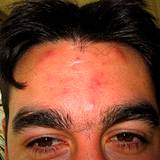 |  |  |
Vitamin A deficiency may be apparent if dry hair or skin, dryness of the conjunctiva and cornea, poor growth, and/or night blindness is present.
There are many other possible results of Vitamin A deficiency, like:
- abscesses in the ears
- insomnia
- fatigue
- reproductive difficulties
- sinusitis
- pneumonia
- frequent colds
- respiratory infections
- skin disorders
- acne
- weight loss
It's amazing the wide variety of benefits of Vitamin A, like preventing night blindness and other eye problems, as well as some skin disorders, such as acne. It enhances immunity, may heal gastrointestinal ulcers, protects against pollution and cancer formation, and is needed for the maintenance and repair of epithelial tissue, of which the skin and mucous membranes are composed. It is important to the formation of bones and teeth, aids in fat storage and protects against colds, infections of the kidneys, bladder, lungs, and mucous membranes.
Vitamin A acts as an antioxidant, helping to protect the cells against cancer and other diseases and is necessary for new cell growth. This important vitamin also slows the aging process Protein cannot be utilized by the body without Vitamin A.
The carotenoids are a class of compounds of Vitamin A. In some cases, they can act as a precursor of Vitamin A, some act as antioxidants or have other important functions. The best known of the carotenoids is beta-carotene, but there are others, including alpha- and gamma-carotene, lutein, and lycopene. When food or supplements containing beta-carotene are consumed, the beta-carotene is converted into Vitamin A in the liver. According to recent reports, beta-carotene appears to aid in cancer prevention by scavenging, or neutralizing, free radicals.
Vitamin A can be Toxic!
The Benefits of Beta-Carotene
Taking Vitamin A over long periods can be toxic to the body, mainly the liver.
Toxic levels of Vitamin A are associated with:
- abdominal pain
- amenorrhea
- enlargement of the liver and/or spleen
- gastrointestinal disturbances
- hair loss
- itching
- joint pain
- nausea and vomiting
- water on the brains
- small cracks and scales on the lips and at the corners of the mouth
No overdose can occur with beta-carotene, although if you take too much, your skin may turn slightly yellow-orange in color. Beta-carotene does not have the same effect as Vitamin A in the body and it is not harmful in larger amounts unless you cannot convert beta-carotene into Vitamin A. People with hypothyroidism often have this problem. It is important to take only natural beta-carotene or a natural carotenoid complex.
Betatene is the trade name for a type of caroteniod complex extracted from sea algae. It is used as an ingredient in various products by different manufacturers.
 |  |  |
Sources of Natural Vitamin A
Natural sources of Vitamin A can be found in:
- animal liver
- fish liver oils
- green and yellow fruits and vegetables
Food that contain significant amounts of Vitamin A are:
- apricots
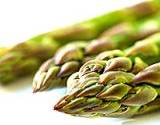
- asparagus
- beet greens
- broccoli
- cantaloupe
- carrots
- collards
- dandelion greens
- fish oil
- fish liver oil
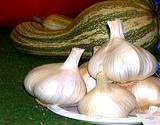
- garlic
- kale
- mustard greens
- papayas
- peahes
- pumpkin
- red peppers
- spirulina
- spinach
- sweet potatoes
- Swiss chard
- turnip greens
- watercress
- yellow squash
Vitamin A is also present in the following herbs:
- alfalfa
- borage leaves
- burdock root
- capsicum
- chickweed
- eyebright
- fennel seed
- hops
- horsetail
- kelp
- lemongrass
- mullein
- nettle
- oat straw
- paprika
- parsley
- peppermint
- plantain
- raspberry leaf
- red clover
- rose hips
- sage
- uva ursi
- violet leaves
- watercress
- yellow dock
Cautions and Comments
Cautions:
If you have a liver disease, do not take a daily dose of over 10,000 international units (IU) of Vitamin A in pill form, or any amount of cod liver oil.
If you are pregnant, do not take more than 10,000 IU of Vitamin A daily.
Children should not take more than 18,000 IU of Vitamin A on a daily basis for over one month.
If you have hypothyroidism, avoid beta-carotene, because your body probably connot convert beta-carotene into Vitamin A.
Comments:
Antibiotics, laxatives, and some cholesterol-lowering drugs interfere with Vitamin A absorbtion.
As you can see Vitamin A deficiency can have as many health effects as overdosing on Vitamin A, it's a real balancing act that should be paid attention to.
Common sense will warn you unless suggested by your family practioner it's best to get your Vitamin A from natural sources such as food or herbs outlined above. There's a wide variety of foods and herbs to choose from which goes to prove unless you are suffering from a medical problem you shouldn't have to worry about Vitamin A deficiency.
Return from Vitamin A Deficiency to Grandma's Vitamin List
Return to Grandma's Herbal Remedies Home
