


|
Grandma's Zinc Guide
|
Essential Mineral Zinc may help prevent acne and regulate the activity of oil glands. This mineral is important in prostate gland function and the growth of the reproductive organs. It is required for protein synthesis and collagen formation, and promotes a healthy immune system and the healing of wounds.
Zinc also allows acuity of taste and smell. It protects the liver from chemical damage and is vital for bone formation. It is a constituent of insulin and many vital enzymes, including the antioxidant enzyme superoxide dismutase (SOD). It also helps to fight and prevent the formation of free radicals in other ways.
A form of this essentail mineral called zinc monomethionine (zinc bound with amino acid methionine), sold under the trademark OptZinc, has been found to have antioxidant activity comparable to that of vitamin C , vitamin E , and beta-carotene.
Sufficient intake and absorption of this mineral are needed to maintain the proper concentration of vitamin E in the blood. In addition, this essentail mineral increases the absorption of vitamin A . For optimum health, a proper 1 to 10 balance between copper and zinc levels should be maintained.
A deficiency in zinc my result in:
- loss of the senses of taste and smell
- fingernails to become thin, peel, and develop whit spots
- acne
- delayed sexual maturation
- fatigue
- growth impairment
- hair loss
- high cholesterol levels
- impaired night vision
- impotence
- increase susceptibility to infection and infertility
- memory impairment
- a propensity to diabetes
- prostate trouble
- recurrent colds and flu
- skin lesions
- slow wound healing
 |  |  |
Natural Food and Herbal Sources of Zinc
This essential mineral is found in the following food sources:
- brewer's yeast
- dulse
- egg yolks
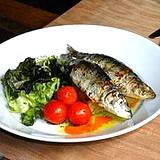
- fish
- kelp
- lamb
- legumes
- lima beans
- liver
- meats
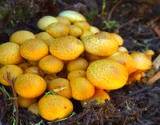
- mushrooms
- pecans
- oysters
- poultry
- pumpkin seeds
- sardines
- seafood
- soy lecithin
- soybeans
- sunflower seeds
- torula yeast
- whole grains
Herbs that contain zinc include
- alfalfa
- burdock root
- cayenne
- chamomile
- chickweed
- dandelion
- eyebright
- fennel seed
- hops
- milk thistle
- mullein
- nettle
- parsley
- rose hips
- sage
- sarsaparilla
- skullcap
- wild yam
Comments
Zinc levels may be lowered by:
- diarrhea
- kidney disease
- cirrhosis of the liver
- diabetes
- consumption of fiber, which causes zinc to be excreted through the intestinal tract
- A significant amount of this essentail mineral is lost through perspiration
- The consumption of hard water bind with zinc so that it cannot be absorbed
If you take zinc and iron supplements, take them at different times. If these two minerals are taken together, they interfere with each other's activity.
Cautions
Do not take a total of more than 100 milligrams of zinc daily. While daily doses under 100 milligrams enhance the immune response, doses of more than 100 milligrams can depress the immune system.
Return from Zinc to Grandma's Vitamin List Guide
Return to Grandma's Herbal Remedies Guide Home
